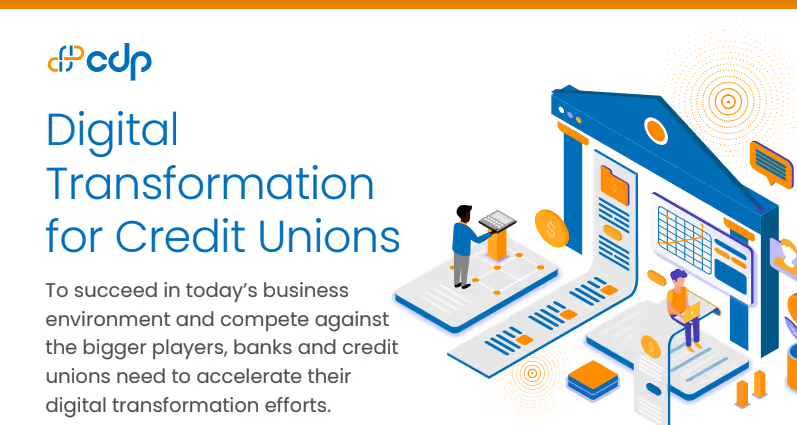
[Infographic] Digital Transformation for Credit Unions
Read More


The digital age has brought about transformative changes across various sectors, and banking is no exception. Among the technological advancements leading this revolution is the adoption of eSignatures. As a symbol of digital convenience and enhanced security, eSignatures have become a cornerstone in the transition towards paperless banking processes. This article delves into the implementation of eSignatures in banks, offering insights into what eSignatures are, their benefits, the steps for successful implementation, and the potential challenges that may arise.
Before exploring the implementation process, it is crucial to grasp what eSignatures entail. eSignatures are secure, legally binding electronic symbols or processes that signify a signatory's intent to sign a contract or agreement. They are designed to streamline transactions, ensuring both convenience and security in digital interactions.
The integration of eSignatures into banking processes brings a plethora of benefits, propelling the industry into a new era of operational efficiency and customer satisfaction.
1. Enhances Efficiency: By drastically reducing the time required for signing and processing documents, eSignatures expedite banking operations.
2. Reduces Operating Costs: Eliminating the need for physical storage, printing, and shipping, eSignatures significantly cut down on operational and administrative expenses.
3. Improves Customer Experience: The ability to sign documents online at any time and from any location greatly enhances the customer experience, aligning with modern expectations for convenience.
4. Bolsters Security: Equipped with robust security measures such as encryption and audit trails, eSignatures minimize the risk of fraud and forgery, providing peace of mind for both banks and customers.
Successfully implementing eSignatures in banks requires a strategic approach that encompasses several key steps:
Step 1: Assess the Requirements - Begin by understanding the bank's operational structure and identifying the departments and processes where eSignatures can be integrated effectively.
Step 2: Choose a Reliable eSignature Solution - Select a solution that meets the banking sector's high standards for security and legal compliance.
Step 3: Integration Process - Integrate the eSignature solution with existing systems such as Customer Relationship Management (CRM) and workflows to ensure seamless operation.
Step 4: Staff Training - Conduct comprehensive training sessions for bank staff to familiarize them with the new system and ensure smooth adoption.
Step 5: Pilot Testing - Implement the system on a pilot basis to evaluate its effectiveness and make necessary adjustments before a full-scale launch.
Step 6: Full Launch - Once optimized, fully implement the eSignature system and introduce it to customers, highlighting its benefits and ease of use.
While the implementation of eSignatures offers numerous advantages, banks may encounter challenges, particularly concerning security. To address these concerns, it is essential to select eSignature solutions that adhere to international security standards. Providers should encrypt data and conduct regular audits to prevent unauthorized access. Additionally, compliance with legal regulations regarding eSignatures is crucial to ensure their validity and acceptance.
Implementing eSignatures in banks represents a strategic step towards delivering efficient, cost-effective, and customer-centric banking services. While challenges may arise, the benefits of adopting eSignatures far outweigh the obstacles. By embracing eSignatures, banks not only enhance their operational capabilities but also position themselves at the forefront of digital banking innovation. As the industry continues to evolve, eSignatures will undoubtedly play a pivotal role in shaping the future of banking.
Q: Are eSignatures legally binding?
A: Yes, eSignatures are legally binding and recognized in many jurisdictions, provided they meet certain legal standards and requirements.
Q: How do eSignatures enhance security in banking?
A: eSignatures enhance security through encryption, audit trails, and adherence to international security standards, reducing the risk of fraud and unauthorized access.
Q: What are the cost benefits of implementing eSignatures in banks?
A: eSignatures reduce costs by eliminating the need for physical document storage, printing, and shipping, leading to significant savings in operational expenses.
Q: How can banks ensure the successful implementation of eSignatures?
A: Successful implementation involves assessing requirements, choosing a reliable solution, integrating with existing systems, training staff, conducting pilot tests, and executing a full launch.
.avif)