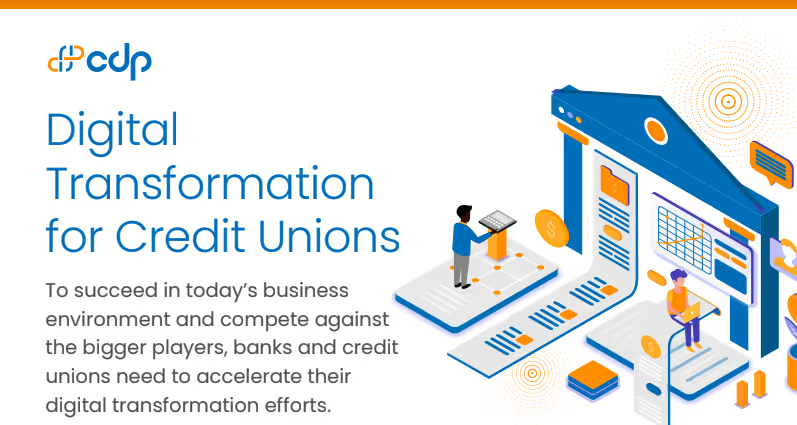
[Infographic] Digital Transformation for Credit Unions
Read More


The banking sector is undergoing a profound transformation as digital technologies continue to redefine the landscape. Among the various technological advancements, eSignatures have emerged as a pivotal component, driving the digital transformation in banking. This article explores the significant role eSignatures play in revolutionizing the banking industry, enhancing customer experiences, improving operational efficiency, and ensuring security and compliance.
Before the global pandemic, the banking industry was already on a path toward digital adaptation. However, the onset of COVID-19 accelerated this transition, making digital solutions like eSignatures indispensable. eSignatures provide a legally recognized method for customers to indicate consent or approval on digital documents, streamlining processes that traditionally required physical signatures. This shift not only aligns with modern banking practices but also caters to the increasing demand for remote and digital banking solutions.
One of the most significant benefits of eSignatures in banking is the enhancement of customer experience. Traditionally, banking processes involved multiple visits to the bank, lengthy paperwork, and manual signatures. With eSignatures, customers can complete transactions such as loan applications, account openings, and investment agreements from the comfort of their homes or offices. This convenience not only saves time but also aligns with the expectations of tech-savvy customers who prefer digital interactions over traditional methods.
eSignatures significantly boost operational efficiency within the banking sector. By eliminating the need for paper-based processes, banks can reduce overhead costs associated with printing, courier services, and document storage. Additionally, eSignatures streamline workflows, allowing banking staff to focus on more critical tasks rather than administrative duties. This efficiency translates into faster service delivery and improved customer satisfaction.
Security is a paramount concern in banking, and eSignatures offer an added layer of protection. Each eSignature is linked to unique identification data, providing traceability and non-repudiation. This feature is crucial for verifying the authenticity of transactions and ensuring that all parties involved are who they claim to be. Moreover, as more countries recognize eSignatures as legally binding, banks can confidently integrate them into their processes, knowing they comply with regulatory standards.
Incorporating eSignatures into banking systems is not just about meeting current demands; it's about future-proofing the industry. As digital transformation continues to evolve, banks that embrace eSignatures position themselves as leaders in innovation. By staying competitive and responsive to the needs of tech-savvy customers, banks can ensure sustained growth and success in the digital age.
The role of eSignatures in digital banking extends far beyond convenience. They are integral to enhancing customer experiences, reducing operational costs, ensuring security, and maintaining competitiveness in a rapidly evolving digital landscape. As the banking sector continues to embrace digital transformation, the importance of eSignatures will only grow, making them an essential tool for every modern banking institution. Banks that adopt eSignatures today are not only improving their current operations but are also setting the stage for future success in the digital era.
What are eSignatures?
eSignatures are digital forms of signatures that are legally recognized and used to indicate consent or approval on electronic documents.
How do eSignatures enhance customer experience in banking?
eSignatures allow customers to complete banking transactions remotely, saving time and offering convenience compared to traditional paper-based processes.
Are eSignatures secure?
Yes, eSignatures provide an additional layer of security by linking signatures to unique identification data, ensuring authenticity and traceability.
Why are eSignatures important for digital transformation in banking?
eSignatures streamline processes, reduce costs, enhance customer experiences, and ensure compliance, making them essential for digital transformation in banking.
Are eSignatures legally binding?
In many countries, eSignatures are legally recognized and considered equivalent to handwritten signatures, ensuring their validity in legal contexts.
.avif)