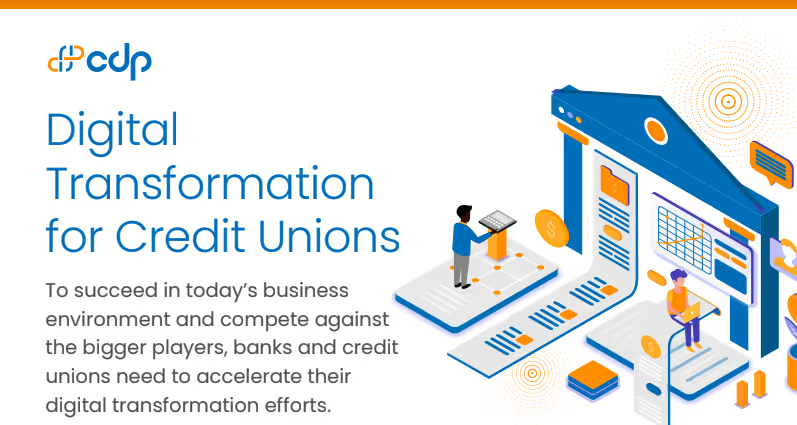
[Infographic] Digital Transformation for Credit Unions
Read More


The digital age has ushered in a new era for the financial sector, one that is defined by innovation, efficiency, and accessibility. At the heart of this transformation are digital banking solutions providers, who are leveraging advanced technologies to redefine how banking services are delivered and consumed. This article delves into the significant impact of digital banking solutions on the modern banking landscape, highlighting the key benefits, technological advancements, and future implications for the industry.
Gone are the days when banking required a physical presence at a brick-and-mortar branch. Today, digital banking solutions have made it possible to perform a wide array of banking activities from the comfort of one's home. Whether it's applying for a loan, transferring funds, or managing investments, these services are now accessible at the touch of a button. This shift not only enhances convenience for consumers but also drives operational efficiency for banks by automating routine processes and reducing the need for manual intervention.
The rise of digital banking is underpinned by several key technologies. Cloud computing enables scalable and flexible infrastructure, allowing banks to quickly adapt to changing demands. Artificial intelligence (AI) and machine learning play crucial roles in enhancing security, personalizing customer experiences, and optimizing operational workflows. Advanced analytics provide valuable insights into customer behavior, enabling banks to offer tailored financial advice and services. Together, these technologies are creating a more dynamic and responsive banking environment.
Security remains a top priority for digital banking solutions providers. By leveraging AI and machine learning, these providers are able to detect and mitigate potential threats in real-time, ensuring safe and secure transactions for their customers. Additionally, the focus on customer experience is evident in the user-friendly interfaces, personalized features, and real-time alerts that digital banking platforms offer. These enhancements not only improve customer satisfaction but also foster greater trust and loyalty among users.
Digital banking solutions are playing a pivotal role in promoting financial inclusion by making banking services more accessible to underserved populations. Through partnerships with fintech companies, digital banks are offering innovative payment solutions, personal finance management tools, and business financial services that cater to a diverse range of customers. This inclusivity is helping to bridge the gap between traditional banking and the needs of modern consumers, ensuring that everyone has access to essential financial services.
The rise of digital banking solutions presents both challenges and opportunities for traditional banks. To remain competitive, these institutions must embrace digital transformation by integrating new technologies into their operations or collaborating with established digital banking providers. By doing so, they can enhance their service offerings, improve customer experiences, and drive growth in an increasingly digital world. However, this transition requires careful planning and execution to ensure a seamless integration of digital services.
The ongoing evolution of digital banking solutions is reshaping the future of the financial sector. As these providers continue to innovate and expand their offerings, the lines between traditional and digital banking will become increasingly blurred. The result is a more efficient, accessible, and customer-centric banking landscape that meets the evolving needs of consumers. For banks, embracing digital transformation is not just an option but a necessity to thrive in this new era of banking.
Q: What are digital banking solutions?
A: Digital banking solutions refer to the use of digital technologies to deliver banking services, allowing customers to perform financial transactions and manage their accounts online.
Q: How do digital banking solutions enhance security?
A: Digital banking solutions enhance security by using advanced technologies like AI and machine learning to detect and mitigate potential threats, ensuring safe and secure transactions.
Q: What role do digital banking solutions play in financial inclusion?
A: Digital banking solutions promote financial inclusion by making banking services more accessible to underserved populations, offering innovative payment solutions and financial management tools.
Q: How can traditional banks adapt to the rise of digital banking?
A: Traditional banks can adapt by integrating digital technologies into their operations or partnering with digital banking providers to enhance their service offerings and improve customer experiences.
.avif)